

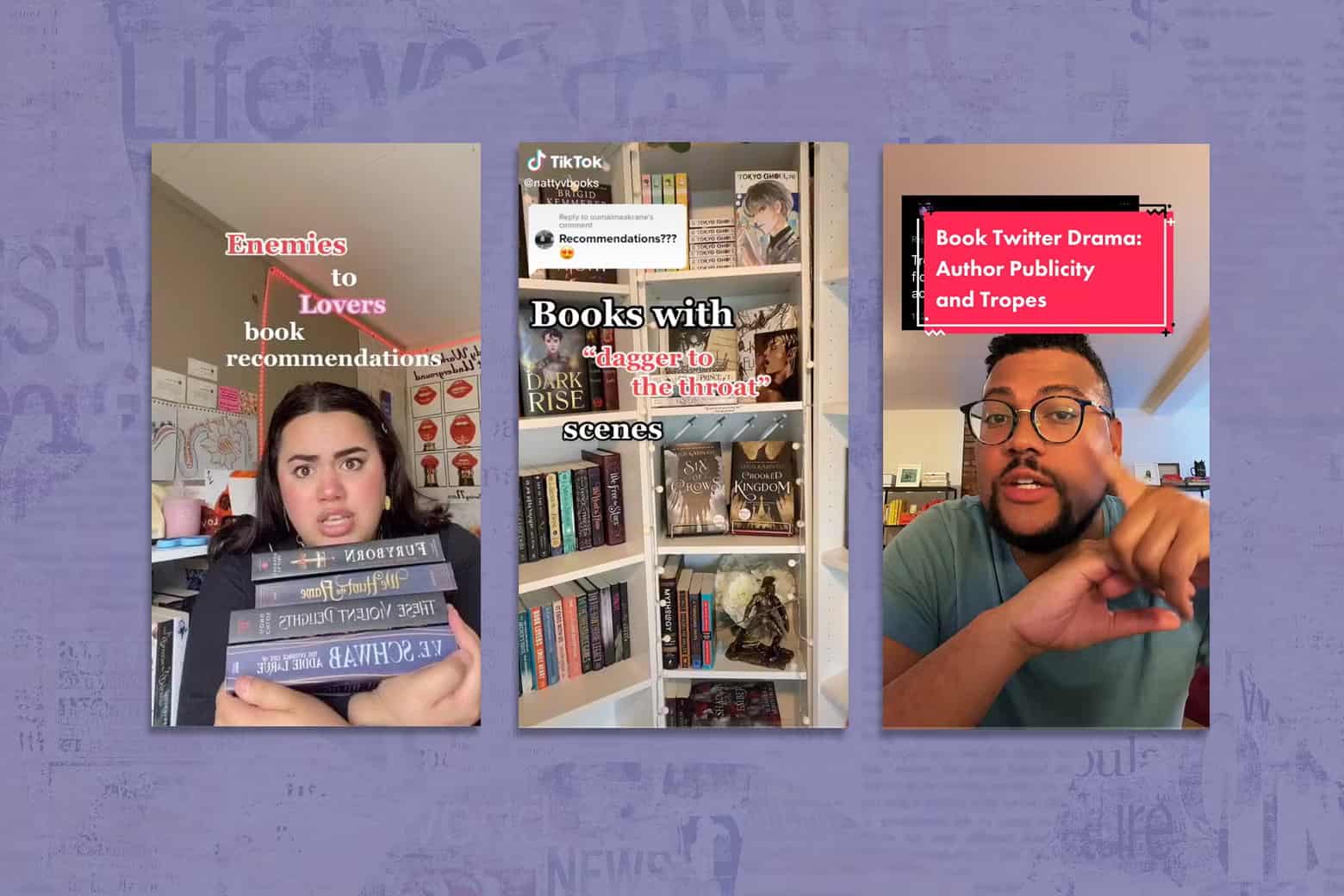
Creating viral BookTok content operates on a distinct set of mechanics that differ fundamentally from traditional book marketing. Success requires understanding TikTok’s algorithmic architecture, mastering specific content formats, and developing authentic voice aligned with community values. Rather than viewing virality as random chance, professional BookTok creators and publishers now recognize it as a system with identifiable patterns, learnable techniques, and reproducible optimization strategies.
The Critical Role of the Hook: Capturing Attention in One Second
The hook—the first element viewers encounter in a BookTok video—determines whether users scroll past or engage with your content. TikTok’s algorithm shows your video initially to a small cohort of users with demonstrated book interest. These initial viewers make a micro-decision within one second: continue watching or swipe to the next video. If a sufficient percentage of this first cohort completes your video and engages (liking, commenting, or sharing), TikTok expands distribution to progressively broader audiences.
Effective BookTok hooks typically fall into several proven categories:
Pattern Interruption Hooks disrupt scrolling autopilot through unexpected juxtapositions or counterintuitive statements. Examples include: “This isn’t a love story. It’s a revenge saga”; “The villain was right all along”; or “I’m the villain in someone else’s story.” These hooks work because they generate curiosity and interrupt the visual monotony of a fast-scrolling feed.
Genre Mashup Hooks provide instant mental frameworks by combining familiar categories. “Dark academia meets romantic comedy,” “Cozy fantasy but with murder,” or “Historical fiction with a sci-fi twist” allow viewers to immediately visualize what they’ll encounter, while the twist element creates intrigue.
But Make It… Formulas leverage pop culture references to reframe existing narratives. “Twilight but make it gay,” “Percy Jackson but everyone’s morally gray,” or “The Selection but make it deadly” work exceptionally well because they offer a shorthand understanding of the premise with an intriguing deviation.
Scene-Based Hooks draw from specific powerful moments in a book, capturing emotional essence rather than literal quotes. “The day I died was the best day of my life” or “I’ve been lying to you about how this ends” provide authentic narrative hooks that promise dramatic payoff.
Emotional Response Hooks lead with the visceral impact rather than plot description: “The book that destroyed me last night,” “I wasn’t expecting to cry this hard,” or “This ending broke my brain completely.” These hooks work because they promise an emotional experience—and BookTok audiences explicitly seek emotional engagement.
Critical insight: production quality matters far less than hook effectiveness. A text-on-screen slideshow with a killer hook consistently outperforms professionally edited videos with weak opening statements. The algorithm prioritizes engagement signals (completion rate, shares, comments) over production values, meaning your hook carries more weight than your cinematography.
Video Length and Completion Rate: The Mathematical Sweet Spot
One of the most researched metrics in TikTok optimization is the relationship between video length and completion rate—the percentage of viewers who watch your entire video. This relationship directly impacts algorithmic amplification, as completion rate signals content quality to TikTok’s recommendation engine.
Videos in the 15–30 second range achieve the highest completion rates, averaging 72% completion. However, completion rate is not the only metric TikTok’s algorithm evaluates. The platform also tracks total watch time—the aggregate seconds viewers spend watching your content. A 40-second video with 60% completion rate (24 seconds average watch time per viewer) can outperform a 20-second video with 70% completion rate (14 seconds average watch time per viewer) because the longer video accumulates more total seconds watched.
The practical optimization for BookTok creators targets the 21–34 second range as the “sweet spot,” balancing completion rate (62% average) with sufficient storytelling duration to develop concepts meaningfully. Videos in the 31–60 second range still perform well when retention stays above 60%, generating more total watch time and triggering stronger algorithmic rewards.
Videos exceeding 90 seconds face exponential retention challenges. While TikTok now permits videos up to 10 minutes, completion rates plummet to approximately 35% for content over 91 seconds. This length works only when every segment delivers exceptional value, maintains rapid pacing with multiple retention hooks every 60–90 seconds, and content justifies the time investment through storytelling, educational depth, or emotional resonance.
For most BookTok content—book reviews, recommendations, and reactions—target 30–50 seconds as the optimal range, allowing sufficient time for introduction, core content, and conclusion while maintaining completion rate above 60%.
Content Distribution: The 50/20/20/10 Framework
Successful BookTok accounts do not treat all content equally. Instead, they follow a documented distribution formula that prevents algorithm fatigue and audience burnout.
50% Engaging Entertainment Content comprises the foundation. This includes authentic book reviews and reactions, emotional responses to plot moments, aesthetically pleasing bookshelf tours, hauls of newly purchased books, and relatable bookish lifestyle content (“my TBR pile anxiety,” “reading in coffee shops,” “staying up too late with a good book”). This content succeeds because viewers seek entertainment and emotional connection rather than overt sales messaging.
20% Educational and Tips Content delivers value through actionable insights: reading recommendations organized by mood, character type, or specific trope; writing process glimpses for author accounts; book discussion and analysis; and literacy-adjacent tips like note-taking strategies or speed-reading techniques. This content builds audience credibility and establishes expertise.
20% Interactive and Engagement Content explicitly invites participation through questions (“What’s the worst book-to-screen adaptation?”), polls, challenges, duets, and stitches that encourage viewers to respond with their own videos or comments. This category is critical because interactive videos trigger early engagement signals that boost algorithmic amplification.
10% Promotional and Direct-Sales Content includes direct book recommendations with links, new release announcements, and explicit calls-to-action driving to book-purchasing links. Limiting promotional content to 10% prevents algorithmic suppression and audience perception of being “sold to.” TikTok users expect entertainment and discovery, not advertising, so overweighting promotional content reduces overall reach.
This distribution is not arbitrary—it reflects TikTok’s documented preference for native, non-promotional content. Creators who exceed 10% promotional content experience measurable reach decreases, as the algorithm interprets high promotional density as a signal that content exists primarily for commercial rather than entertainment purposes.
Proven Content Formats and Structures
Certain BookTok video formats have demonstrated consistent viral performance:
Book Reviews and Honest Reactions: Unfiltered emotional responses to books, often featuring the creator visibly reacting to plot points, character moments, or ending revelations. These work because they feel authentic and emotionally resonant rather than polished. Successful examples often feature creators with visible emotional responses—tears, laughter, shock—that signal genuine engagement.
Bookshelf Tours: Organized presentations of personal book collections, typically with aesthetic lighting and commentary on organizational systems, special editions, or genre groupings. Viewers enjoy these because they combine visual aesthetics, discovery of new titles, and insights into creator personality. Tours filmed with candlelight, organized by color, or featuring thematic arrangements perform particularly well.
Book Hauls: Unboxing or presentation of recently purchased books, often with brief commentary on why each was purchased and initial impressions. These videos tap into viewers’ desire for discovery and FOMO (fear of missing out) around trending titles.
Character Discussions and “Hot Takes”: Controversial or emotionally charged opinions about fictional characters, relationships, or plot developments. These generate high engagement because they invite disagreement and discussion in comments, triggering the comment-to-content feedback loop that amplifies algorithmic visibility.
Duets and Stitches: Split-screen videos responding to another creator’s content, either complementing their take or offering contrasting viewpoints. Duets play both videos simultaneously (conversation format), while stitches incorporate a brief clip from the original video before the creator’s response. These formats are powerful because they tap into existing audience engagement and create participatory chains that extend virality.
Behind-the-Scenes Author Content: For author accounts, content showing the writing process, research methodology, character inspiration, rejection letters, or personal stories behind book creation. Viewers connect with the human creator rather than the product.
“First Line Challenge” Content: Dramatic reading of a book’s opening line with caption “Will you keep reading?” inviting viewers to respond with their own reactions or readings of compelling first lines. This format combines emotional resonance with interactive participation.
Character Q&A and AMA (Ask Me Anything): Answering follower questions from a fictional character’s perspective, offering insights into character motivation and revealing behind-the-scenes creation details. This builds deeper audience engagement and transforms passive viewers into invested participants.
Technical Optimization: Aesthetics, Lighting, and Visual Consistency
While TikTok’s algorithm prioritizes engagement metrics over production quality, visual presentation still matters for viewer retention and personal brand development.
Consistent Aesthetic: Successful BookTok accounts develop recognizable visual branding through consistent color palettes, backgrounds, lighting setups, and video templates. When viewers recognize your distinctive visual style, they’re more likely to watch new uploads because they know what to expect. Use similar color schemes, recurring backgrounds (bookshelves, coffee shops, reading nooks), or signature transitions across multiple videos to create visual cohesion.
Lighting and Photography Quality: Videos filmed in natural light or warm artificial lighting significantly outperform dimly lit content. Good lighting makes book covers more visually appealing, reveals cover details more clearly, and creates inviting atmospheres that encourage watching. Many successful BookTokers invest in basic ring lights or use window-side filming locations to maximize visual appeal without expensive equipment.
Eye-Catching Thumbnails and Cover Selection: The first frame of your video functions as a “thumbnail” in scrolling feeds. Choose visually striking book covers, arrange books with aesthetically complementary colors, or use facial expressions that signal emotional intensity to stop scrolls immediately.
Text Overlays and Captions: Many viewers watch TikTok without sound, making text overlays essential for comprehension. Include captions summarizing key points, emotional context (“I cried”), or question prompts (“Have you read this?”). Text overlays also improve accessibility for viewers with hearing impairments and increase retention by providing multiple information channels.
Hashtag Strategy: Reaching Specific Audiences
Hashtags function as searchable indexes allowing TikTok to categorize content and match it with relevant audiences. However, strategic hashtag use differs substantially from posting random popular tags.
Primary Hashtags (#BookTok, #BookRecommendations) cast the widest net, with #BookTok alone accumulating over 300+ billion views. These high-volume hashtags ensure visibility to broad audiences but face intense competition.
Secondary Hashtags (#BookReview, #BookCommunity, #BookAddict) narrow the audience to explicitly book-interested users without extreme competition.
Genre-Specific Hashtags (#FantasyBooks, #DarkRomance, #RomanceReads, #HistoricalFiction) target niche audiences with verified interest in your content category. These often generate higher engagement rates than broad hashtags because they reach precisely interested viewers.
Unique or Branded Hashtags created specifically for your account or book series encourage community participation and enable tracking of user-generated content. This might include #YourBookTitle or #YourAuthorName to aggregate all content mentioning your work.
Optimal hashtag strategy uses approximately 3–5 hashtags per video, combining one broad hashtag, 1–2 secondary hashtags, 1–2 genre-specific hashtags, and optionally one branded hashtag. Avoid hashtag stuffing (overloading posts with 20+ hashtags), which signals spam and reduces algorithmic visibility.
Timing matters: hashtags trending on TikTok change daily or hourly. Check TikTok’s trending page daily and incorporate relevant trending hashtags when they align with your content, as users actively search these hashtags and algorithms prioritize matching trending tags.
Posting Schedule and Frequency: Timing for Maximum Reach
TikTok’s algorithm heavily weights consistency and recency, rewarding creators who post regularly. However, optimal frequency varies by account maturity and content complexity.
Posting Frequency: TikTok recommends posting at least once daily for optimum algorithm performance, though data suggests diminishing returns beyond 3 posts daily for most creators. Buffer’s analysis of over 150,000 accounts found that posting 2–5 times weekly generates a 17% boost in average views per post, while posting 5–10 times weekly approximately doubles performance. However, quality trumps quantity—one exceptional, well-timed video outperforms three mediocre posts sent at random times.
Posting Times: Peak engagement occurs during specific windows when target audiences actively browse TikTok. Research identifies three consistent high-engagement windows:
- Weekday mornings (7–9 AM): Morning routines, commutes, and breakfast viewing
- Early evenings (5–7 PM): Post-work browsing, commute home, dinner preparation
- Late nights (10 PM–midnight): Pre-sleep relaxation and weekend late-night scrolling
Tuesday and Thursday mornings show consistently highest engagement for educational and review content, while Saturdays perform well for casual, trend-following content.
Critical caveat: optimal posting times vary by individual audience timezone and habits. Rather than applying generic recommendations, analyze your account analytics to identify when your followers are most active and concentrate posting during those windows. Test posting schedules consistently (post exclusively during morning hours for week one, evenings for week two, late night for week three) and track resulting views, engagement rates, and completion rates to identify your personal optimal window.
Building Community and Driving Algorithmic Engagement
An often-overlooked aspect of BookTok virality is community participation and comment engagement, which significantly impact algorithmic visibility.
Respond to Comments Authentically: Comments on BookTok videos receive algorithmic priority, signaling video quality and generating additional engagement opportunities. Creators who respond promptly and meaningfully to comments, especially early comments, trigger engagement cascades. Video reply features (responding to comments with short video responses) extend engagement and create additional content.
Engage Genuinely with Other Creators: Spend 30 minutes daily commenting meaningfully on other BookTok videos in your genre. Comments should reference specific aspects of their content rather than generic praise (“Love this!” generates less algorithmic weight than “Your take on the ending completely changed my perspective—I didn’t catch that symbolism the first time”). Authentic engagement builds community relationships and increases the likelihood of reciprocal engagement.
Participate in Trends and Challenges: While consistency and authenticity matter most, strategically participating in trending challenges—when they align with your style and audience—leverages existing algorithm amplification. However, never force participation in trends that feel inauthentic. A mediocre trend participation damages your brand more than missing the trend entirely.
Collaborate with Complementary Creators: Partner with BookTok creators whose audiences overlap but don’t directly compete (e.g., if you focus on dark romance, collaborate with dark academia or psychological thriller creators). Collaborations can include duets, shout-outs, joint live streams, or cross-promotion. Micro-influencers with smaller, engaged audiences often generate higher-quality collaborations than mega-influencers with massive but disengaged followings.
Create Series-Style Content: “Always-on series formats” where viewers know what to expect (e.g., “Spicy Romance Mondays,” “Character Debates Wednesdays,” “Shelf Tour Saturdays”) train the algorithm to classify your account around specific themes while building audience anticipation and habit-forming viewing patterns. Series content improves retention because followers return expecting continuation.
Special Strategies: Emotional Authenticity and Personal Vulnerability
The most successful BookTok content shares a consistent characteristic: emotional authenticity. Viewers gravitate toward creators who appear genuinely moved by books rather than performing enthusiasm for the algorithm.
Show Your Face: While anonymous text-based or narrator-driven videos perform adequately, including occasional face-on-camera content significantly improves engagement. Viewers form deeper connections with creators when they see them, recognize emotions, and feel like they’re engaging with a real person rather than a faceless brand.
Get Personal: Share why you wrote your book, personal experiences that inspired characters, or how specific books shaped your life. Personal storytelling transforms abstract book promotion into human connection. This vulnerability—sharing that a book made you cry, that you related to a character’s trauma, that you’ve experienced the situations depicted—builds audience loyalty that transcends algorithm mechanics.
Embrace Imperfection: Highly polished, professionally produced BookTok videos often underperform less-edited, more casual content. Viewers prefer unfiltered reactions over carefully curated performances. The most-shared BookTok videos are frequently raw emotional responses—visible tears, genuine laughter, authentic shock.
Content Creation Efficiency: Batching and Repurposing
Creating daily content sustainably requires strategic efficiency. Rather than filming individual videos daily, successful creators batch-film content in dedicated sessions.
Batch Content Creation: Designate one or two specific days weekly for filming 5–10 videos at once. Film multiple takes of each concept with slight variations to test different hooks, backgrounds, or editing styles. This approach reduces daily filming burden while maintaining posting consistency.
Repurpose Content Elements: A single book review filmed in multiple formats (full reaction video, 30-second highlight reel, character-specific segment, emotional response) generates multiple posts from one filming session. Similarly, successful videos can be adapted for other platforms—a viral BookTok video may be reedited for Instagram Reels or expanded into YouTube content, maximizing ROI on content creation effort.
Leverage Templates and Tools: TikTok’s built-in templates, CapCut editing software, and pre-recorded background footage significantly reduce editing time while improving consistency. Templates ensure visual cohesion across videos while enabling rapid production.
Tracking Performance: Metrics That Matter Most
Not all metrics equal value. TikTok’s algorithm primarily tracks completion rate (percentage of video watched) and engagement rate (likes, comments, shares as percentage of views) rather than total views.
Critical Metrics:
- Completion Rate (Target: 50%+): Percentage of viewers who watch your entire video. This signals content quality to the algorithm more powerfully than view count.
- Engagement Rate (Target: 3–5%): (Likes + Comments + Shares) ÷ Total Views × 100. Shares carry more algorithmic weight than likes.
- Average Watch Time: Total seconds accumulated across all views divided by total views. Videos with higher average watch time signal stronger content quality.
- Click-Through Rate (Target: 1–2%): Percentage of viewers who click your bio link or book links. This directly measures conversion to sales.
Vanity Metrics to De-Prioritize:
- Total Views: High view counts without corresponding engagement provide minimal algorithmic value. A video with 100,000 views and 1% engagement underperforms a video with 20,000 views and 4% engagement.
- Follower Count: Followers matter less than engagement rate. 5,000 engaged followers generate more algorithmic amplification than 100,000 dormant followers.
Review analytics weekly, identifying which video formats, hooks, posting times, and content topics generate highest completion rates and engagement. Double down on high-performing patterns while testing variations to prevent audience fatigue.
Conclusion: From Algorithm Understanding to Authentic Growth
Creating engaging BookTok videos that achieve viral distribution requires balancing algorithmic optimization with authentic storytelling. The mechanics are learnable—hooks determine scroll-stopping potential, video length impacts completion rates, content distribution prevents algorithm fatigue, and posting consistency signals platform value. Yet these mechanics exist to serve, not replace, genuine emotional connection.
The most sustainable BookTok growth emerges not from creators mechanically following optimization formulas, but from those who master algorithmic mechanics to amplify authentic passion for books. Your genuine enthusiasm, emotional vulnerability, and unique perspective constitute your actual competitive advantage. Use optimization strategies as infrastructure enabling broader audience discovery of your authentic voice, not as substitutes for the vulnerability and passion that first make people want to engage with your content.
The most viral BookTok videos—those accumulating millions of views and driving millions in book sales—succeed because they make viewers feel something, not because they perfectly execute a formula. Master the formula to ensure visibility. But invest your energy in emotional authenticity, because that’s what transforms viewers into loyal followers and drives the sharing that actually creates virality.