

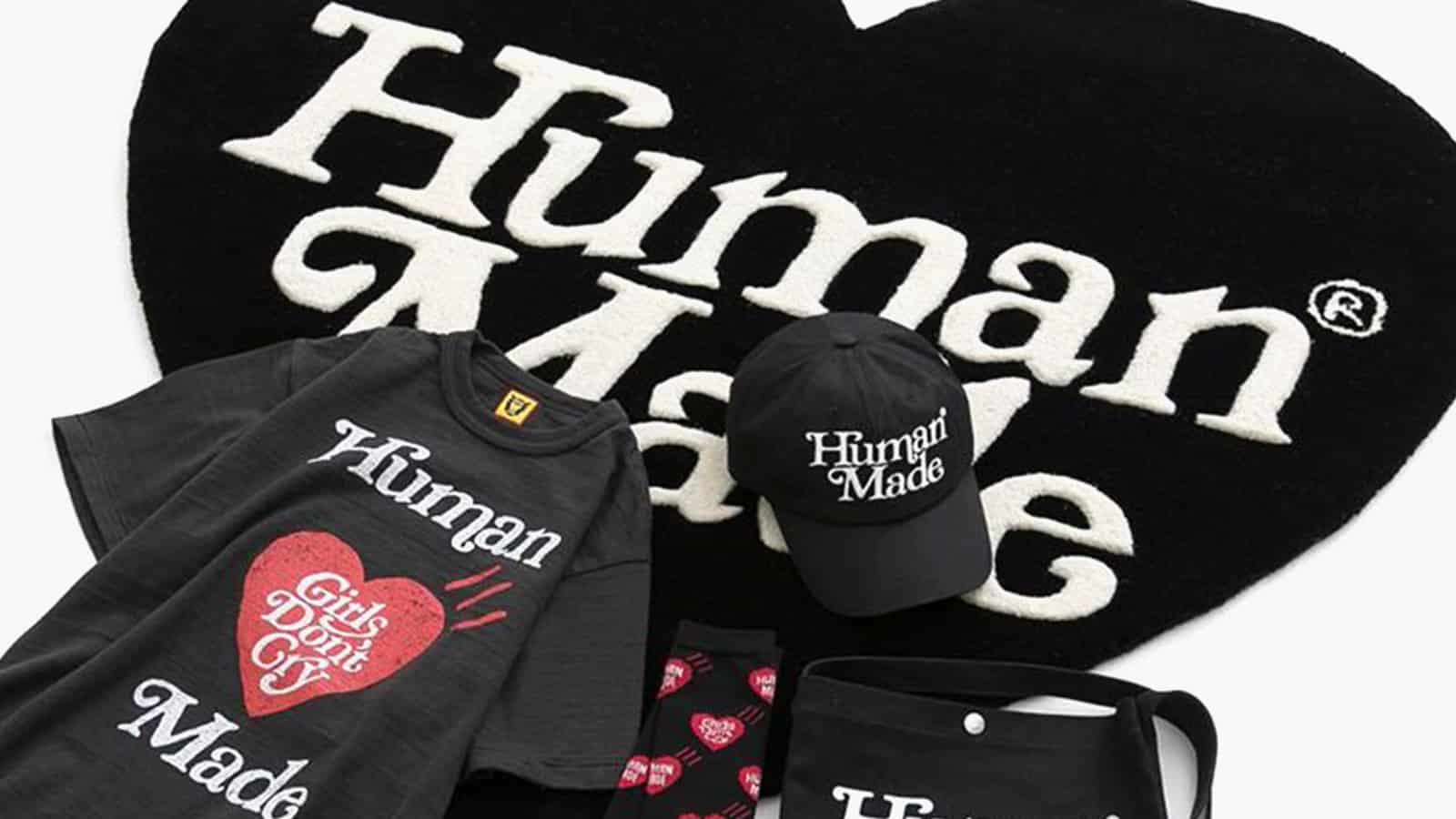
“Human-made” is becoming more than a marketing phrase; it is turning into a meaningful trust signal. As AI-generated content spreads across media, commerce, and branding, people are increasingly drawn to brands that can prove a real human hand, judgment, and point of view behind what they sell and say.
Why human-made branding matters
The rise of AI has changed the meaning of originality. When content, visuals, and even customer interactions can be produced instantly, audiences start looking for signs that a brand is deliberate, accountable, and authentic. Research and industry commentary both point to a growing premium on human emotion, trust, and connection in brand building.
Human-made branding answers that need by emphasizing craftsmanship, lived experience, and visible human involvement. In practice, it tells customers that the brand is not just optimized for efficiency, but also shaped by taste, care, and responsibility. That distinction matters more when digital experiences feel increasingly automated and interchangeable.
What audiences are reacting to
One reason human-made branding is rising is simple skepticism. People are exposed to large volumes of machine-generated copy, synthetic visuals, and formulaic messaging, so they have become more sensitive to what feels generic or mass-produced. In that environment, brands that highlight a human author, founder, artisan, or expert can feel more credible and memorable.
This is especially true in categories where the product is tied to identity, ethics, creativity, or personal judgment. Examples include publishing, design, music, education, healthcare, coaching, finance, and premium consumer goods. In these spaces, the human element is not just a nice extra; it is often central to perceived value.
Branding as proof of effort
Human-made branding works because it signals effort. A brand that shows the people behind the product, the process behind the work, or the reasoning behind decisions creates a sense of transparency that automated systems struggle to match. Columbia Business School’s research on human-made art found that people valued work labeled as human made much more highly than work labeled as AI generated, showing how strongly origin can shape perceived value.
That same logic applies to branding. When customers believe a brand was built by people who made real choices, accepted trade-offs, and stood behind the result, they are more willing to trust it. The label “human-made” becomes a shortcut for quality, even when the underlying product is digital.
Where brands are using it
The strongest use cases for human-made branding are in markets where authenticity directly affects purchase decisions. Creative industries often lean into handmade or human-authored positioning because customers want originality and personal expression. Service businesses also benefit, especially when expertise and empathy are part of the offer.
Some brands are adding explicit labels such as “no AI used” or “100% human,” while others are making human involvement visible through founder stories, behind-the-scenes content, and signature editorial voices. The common goal is the same: to make the brand feel less like an algorithm and more like a relationship.
Human-made versus AI-assisted
Human-made branding does not have to mean rejecting AI entirely. In many cases, the smartest approach is hybrid: use AI for research, drafting, or workflow efficiency, then rely on humans for taste, editing, strategy, and final judgment. This preserves speed while keeping the brand anchored in human decision-making.
The key difference is not whether AI was used somewhere in the process, but whether the final brand expression feels human-led. Audiences are usually less concerned with internal production methods than with the final experience and the honesty of the positioning. If AI is involved, transparency matters more than perfection.
A new luxury signal
A particularly interesting shift is that “human-made” is starting to behave like a premium signal, similar to how artisanal, handmade, or limited-edition products have long worked in physical retail. When everything can be generated at scale, scarcity becomes meaningful again. Human effort itself becomes part of the value proposition.
This does not mean every brand needs to market itself as anti-AI. But for brands that compete on originality, trust, or craft, emphasizing human creation can justify higher pricing and stronger loyalty. In that sense, human-made branding is not nostalgia; it is positioning.
What successful brands do
Brands that win in this environment tend to do three things well. First, they make the human story visible, whether through founders, creators, experts, or artisans. Second, they maintain a consistent voice that feels alive rather than templated. Third, they use AI strategically without letting it flatten the brand’s personality.
That approach creates a clear signal: the brand is modern, but not impersonal. It uses technology, but it still values judgment, craftsmanship, and accountability. As branding becomes more crowded with synthetic output, those qualities become easier for audiences to notice and harder for competitors to imitate.
Why this trend will grow
The demand for human-made branding is likely to increase as AI content becomes more common and harder to distinguish. The more automation expands, the more some customers will seek brands that feel grounded, real, and visibly human. Research on branding in the AI era suggests exactly this kind of shift toward more relational, human-centered brand identity.
In the coming years, “human-made” may become a standard trust marker in digital marketing, product design, and content strategy. Brands that can prove real human involvement will likely enjoy an advantage not just in perception, but in attention, loyalty, and willingness to pay.
The rise of human-made branding is a reaction to digital abundance and synthetic sameness. As AI makes it easy to produce more of everything, audiences are putting greater value on brands that feel intentional, accountable, and emotionally real.
For companies, the message is clear: AI can help you scale, but human identity helps you stand out. The brands that succeed in the age of artificial intelligence will be the ones that use technology without losing the human qualities people still trust most.