

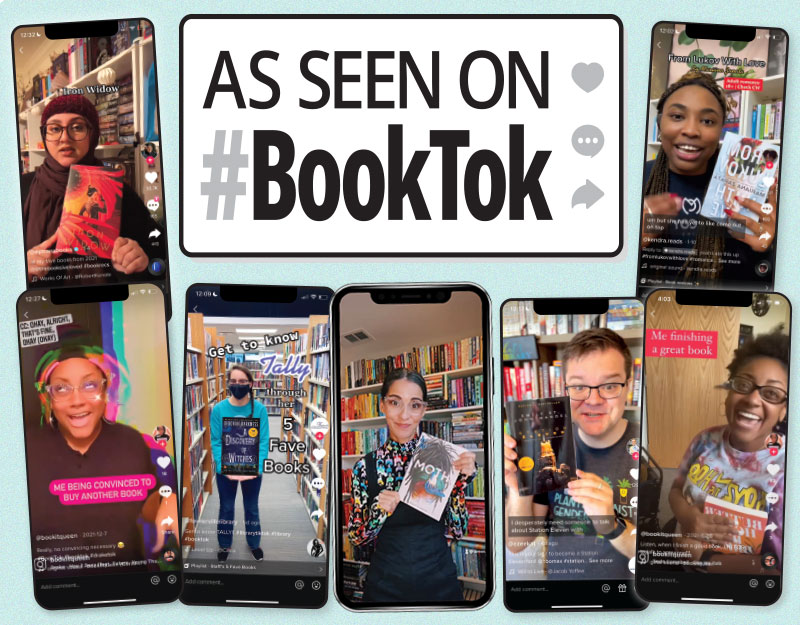
BookTok—a subcommunity on TikTok dedicated to book recommendations, reviews, and literary discussions—has fundamentally transformed how millions discover, purchase, and engage with books. What began as a grassroots movement in late 2019 has evolved into one of the most powerful forces reshaping the global publishing industry, generating unprecedented commercial returns and breathing new life into a sector that had experienced declining reading rates for nearly two decades.
What Is BookTok?
BookTok is fundamentally a space where content creators share short-form videos about the books they read. Members of the community, known as BookTokers, produce unfiltered, emotionally resonant content ranging from tearful reviews and dramatic readings to “book hauls” showcasing recent purchases, character analyses, and curated reading recommendations organized by mood, trope, or genre. Unlike traditional book marketing—which relies on polished advertisements and professional critics—BookTok thrives on authenticity, with everyday readers wielding genuine enthusiasm to influence purchasing decisions. The platform’s algorithm plays a critical role, delivering book-related content to users with similar viewing histories, creating a highly personalized discovery experience that has proven far more effective at converting attention into sales than conventional marketing channels.
The community exploded in popularity during the COVID-19 pandemic in 2020, driven partly by lockdown-induced reading habits and the platform’s capacity to create viral trends. By October 2024, the #BookTok hashtag had accumulated over 309 billion total views. As of January 2026, that figure has surged to approximately 370 billion views, with 52-63 million BookTok videos created under the hashtag—a staggering volume that underscores the sustained and accelerating momentum of the community.
The Commercial Transformation
The economic impact of BookTok is unprecedented in publishing history. In 2024 alone, BookTok-driven demand directly contributed to the sale of 59 million print books in the United States, generating an estimated $760 million in revenue. This represents roughly one out of every twelve print books sold in the American market. For context, books featured on BookTok experience an average 600% increase in sales compared to their pre-viral baseline.
These figures become even more dramatic when examining individual titles. Colleen Hoover, whose works became synonymous with BookTok success, saw six of the ten bestselling books in 2022 emerge from her catalog, with many titles originally published five to ten years earlier. By 2022, her books had spent a combined 151 weeks on the New York Times bestseller list, with her #colleenhoover hashtag alone accumulating over 3.1 billion views as of 2023. Similarly, Rebecca Yarros’s Empyrean series dominated the platform in 2025, with Onyx Storm—released in January 2025—immediately capturing the BookTok zeitgeist with high-stakes fantasy worldbuilding, dragon lore, and emotionally charged romantic tension.
Perhaps most remarkably, BookTok has revitalized the backlist—older books that had long since cycled out of active marketing campaigns. The 2023 resurgence of It Ends With Us by Colleen Hoover, originally published in 2016, illustrates this phenomenon. Following BookTok attention, the title sold approximately 20,000 units per week at peak demand according to NPD BookScan, demonstrating that viral literary moments can happen years after initial publication. Similarly, A Little Life by Hanya Yanagihara—published in 2014—generated over 116 million views under the #alittlelife hashtag and became a bestselling backlist title again in 2023, driven entirely by organic TikTok discovery.
Genre Preferences and Literary Trends
BookTok’s influence has fundamentally reshaped which stories are written, marketed, and celebrated. The platform’s preferences skew heavily toward romance, fantasy, and romantasy—a hybrid blending romance with fantasy elements featuring fae, dragons, and magical worldbuilding. Romance remains the dominant genre, followed closely by fantasy, with romantasy emerging as the fastest-growing category.
Within romance, BookTok readers have exhibited a pronounced appetite for “dark romance” and “spicy” (sexually explicit) content, as well as morally ambiguous male characters. This has led traditional publishers to aggressively pursue romantasy titles and to market romance-adjacent works across genres—thriller writers now incorporate romantic subplots, cozy mysteries add romance, and speculative fiction increasingly blends romantic elements to appeal to BookTok audiences.
However, 2026 shows signs of market maturation in romantasy. Industry observers note that the explosive growth of the genre has begun to plateau, with readers expressing fatigue over formulaic titles that follow predictable tropes and narrative structures. This shift suggests that authors capable of delivering fresh worldbuilding, unique magic systems, and emotionally resonant stories that avoid clichés will likely dominate going forward.
Demographics and Reaching Young Female Readers
BookTok’s core demographic has evolved since the platform’s emergence. While early BookTokers were predominantly teenagers and young women (ages 16-25), the audience has matured and broadened. Current data shows that 25-34-year-olds now represent the largest segment of BookTok users at approximately 45%, followed by 18-24-year-olds at 25%. This shift reflects both the aging of early adopters and the platform’s continued appeal to younger millennials and Gen Z.
Significantly, 59% of 16-25-year-olds reported that BookTok had helped them discover a passion for reading, a finding with profound implications for publishers targeting youth demographics. The female skew remains pronounced, though less exclusively so than in earlier years. In the United States, BookTok engagement is particularly driven by younger millennial mothers and Gen Z readers, while the UK community shows a more balanced age distribution with continued Gen Z participation.
How BookTok Goes Viral: The Algorithm and Community Dynamics
The mechanics of BookTok’s success rest on a triumvirate of factors: TikTok’s algorithmic architecture, authentic community engagement, and trend-driven content. Unlike Instagram or YouTube, where posting schedules and follower counts historically determined reach, TikTok’s algorithm prioritizes engagement metrics including watch completion rates, likes, comments, shares, and saves. In the initial “first wave” phase (0-50 views), TikTok shows a video to a targeted cohort of users with demonstrated interest in similar content. If that video achieves a completion rate above 30% and generates 5-10% engagement, the platform expands distribution to increasingly broader audiences.
A critical distinction for BookTok: virality for its own sake does not necessarily translate to book sales. A video about “books that made me cry” might generate 500,000 views from general audiences but sell fewer books than a more niche video about “dark academia fantasy recommendations” with 20,000 views to specifically targeted readers. TikTok’s algorithm is sophisticated enough to identify viewers’ literary preferences—whether they consume dark romance, romantasy, thrillers, or literary fiction—and prioritize delivering relevant content to those audiences.
Shares prove particularly powerful, as they signal “someone else needs to see this,” and carry more algorithmic weight than likes or comments. For BookTok, shares often translate to “my friend would love this book” or “adding this to my TBR,” creating a cascade effect where recommendations spread through friend networks alongside algorithm-driven distribution.
Publishers, Retailers, and Industry Response
The publishing industry’s response to BookTok has been swift and profound. Major publishers now proactively reach out to BookTok creators with free advance copies, commission original cover designs optimized for mobile scrolling and aesthetic appeal, and budget significantly for influencer partnerships—a reversal of historical precedent where publishing marketing departments determined which books received visibility. Publishers increasingly tailor their catalog decisions and release strategies around anticipated BookTok appeal rather than solely relying on traditional critical reception.
Retailers have reorganized their physical and digital spaces accordingly. Barnes & Noble has announced plans to open 60 new stores across the United States—a development that would have seemed impossible just five years ago when independent bookstores faced existential pressure from online retailers and declining reading rates. Walk into most major bookstores today and you will find dedicated “BookTok Recommended” tables, shelves, and sections, often curated in real-time based on trending videos. Online retailers including Amazon, Bookshop.org, Waterstones, and WH Smith have created dedicated BookTok categories and filtering options. Even libraries are creating BookTok reading lists to remain relevant with younger patrons.
This retail renaissance represents a significant economic shift. Backlist titles, which have already recouped production costs, generate pure profit for publishers when they experience renewed demand. BookTok has made these dormant assets extraordinarily valuable again, effectively turning inventory that might have occupied remainder bins into gold mines.
Criticisms and Concerns: Romanticizing Toxic Dynamics
For all its positive impact on literacy rates and book sales, BookTok has faced substantial criticism regarding its promotion of problematic content, particularly within the romance genre. A significant proportion of BookTok’s most viral romance titles contain depictions of physical abuse, emotional manipulation, controlling behavior, and toxic power imbalances that critics argue are romanticized rather than critically interrogated.
Colleen Hoover’s It Ends With Us—a novel explicitly addressing domestic violence—has become a focal point of this critique. The novel was originally conceived as a harrowing portrait of abuse, but BookTok’s curation emphasizes its emotional intensity and romantic dimensions while downplaying its cautionary message. Young readers unfamiliar with healthy relationship dynamics may internalize the book’s depiction of the protagonist’s emotional manipulation by her love interest as aspirational rather than problematic. Similarly, other widely promoted titles feature male characters depicted as possessive, emotionally unavailable, or explicitly abusive—traits framed as signs of intense love rather than warning flags.
Critics argue that by constantly promoting dark romance and romantic relationships featuring significant power imbalances to teenage audiences, BookTok risks normalizing unhealthy relationship expectations during a formative developmental period. The lack of content warnings on many published editions compounds this concern, leaving vulnerable readers without explicit guidance on potentially triggering material.
Moreover, there is evidence that BookTok’s tendency to elevate certain predominantly white, heterosexual, cisgender voices while marginalizing BIPOC and LGBTQ+ authors has reinforced existing publishing industry inequities, though this dynamic appears to be gradually shifting as the community matures.
The Paradox of BookTok: Short-Form Content in a Long-Form World
One of the most fascinating paradoxes surrounding BookTok is that it thrives on TikTok—an app widely criticized for eroding attention spans and favoring bite-sized content—while promoting engagement with books often exceeding 300-400+ pages and series requiring weeks or months to complete. Yet this apparent contradiction reflects a deeper reality: the issue is not attention span itself, but rather relevance, authenticity, and emotional resonance. BookTok demonstrates that young audiences possess the capacity for extended, immersive reading when content genuinely captures their imagination and when discovery feels organic rather than imposed by traditional gatekeepers.
The Evolution of BookTok in 2026 and Beyond
As of January 2026, BookTok is entering a new phase of maturation. Several trends are reshaping the landscape:
Algorithm Fatigue and Platform Diversification: Content creators report experiencing “algorithm fatigue,” with some predicting a resurgence of independent book blogs and niche communities as readers seek alternatives to algorithm-driven discovery. This suggests BookTok’s dominance as the exclusive arbiter of literary discovery may face gradual erosion.
Genre Evolution and Experimental Storytelling: Romantasy fatigue is driving demand for more innovative fantasy worldbuilding, morally complex characters, and genre-blending experiments. Translated literature, particularly from Japan and South Korea, is gaining prominence, while healing fiction and cozy escapism continue to resonate with readers seeking comfort narratives.
Diversity and Representation: Publishers and creators are increasingly prioritizing BIPOC authors, LGBTQ+ narratives, and diverse family structures within romantasy and speculative fiction genres. This represents a deliberate effort to correct historical underrepresentation in BookTok’s early phase.
Expanding Demographics: While remaining youth-centered, BookTok is attracting older readers, particularly millennial parents seeking book club content and escapist fiction. This demographic broadening suggests the community’s staying power extends beyond generational novelty.
BookTok has accomplished what seemed impossible just six years ago: it has revitalized literary culture among younger readers, transformed book retail economics, and redistributed the power of literary curation from professional critics and traditional gatekeepers to everyday readers armed with smartphones. The platform has demonstrated that reading remains deeply appealing to young audiences when discovery feels authentic, recommendations come from trusted peers, and stories address their emotional and aspirational needs.
Yet BookTok’s influence also reveals critical challenges: the normalization of problematic relationship dynamics in promoted content, the perpetuation of existing publishing industry inequities, and the platform’s inherent algorithmic biases that reward certain genres, tropes, and aesthetic preferences over others. As the community matures, navigating these tensions—honoring BookTok’s democratizing potential while promoting more critical engagement with romanticized abuse and fostering genuinely diverse voices—will determine whether BookTok remains a transformative force or becomes merely another transient social media trend.
For the publishing industry, the lesson is unambiguous: ignore BookTok at your peril. The community now accounts for substantial portions of book sales across major retailers and has become infrastructure rather than optional visibility—a structural feature of how books are discovered, valued, and consumed in the contemporary literary landscape.