

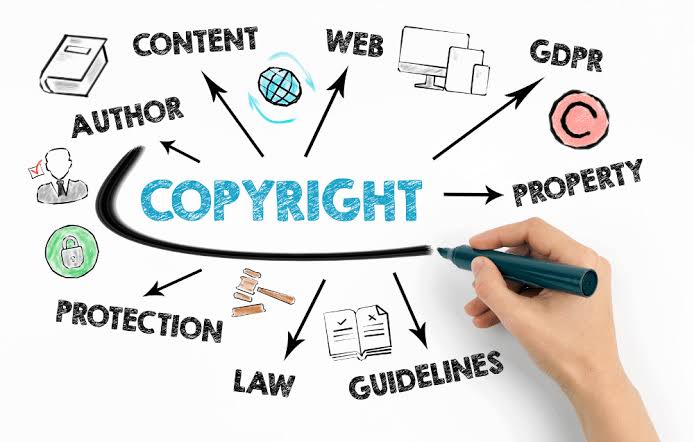
Whether you are writing a novel, publishing an ebook, posting articles on your website, or preparing your first nonfiction book, protecting your writing is an important part of being an author. Understanding copyright can help you establish ownership, manage publishing rights, license your work, and respond when someone uses your writing without permission.
This practical guide explains how copyright works, when registration may be worthwhile, how to document your authorship, and what to do if your work is copied.
1. What Does Copyright Mean for Writers?
Copyright is a form of intellectual property protection that gives the rights holder control over certain uses of an original creative work. For authors, this can include novels, short stories, poems, essays, articles, educational materials, scripts, and other original literary content.
Depending on applicable law, copyright can give you the right to authorize or prevent activities such as reproducing your work, distributing copies, translating it, adapting it, or making it available to the public.
For example, if you write an original novel, another person generally cannot legally reproduce and sell a copy of your complete manuscript without permission or a valid legal exception. The exact rules and remedies depend on the country and the circumstances.
Control commercial use
These rights may let you license publication, translations, adaptations, audiobook production, and other uses of your work.
Protect authorial interests
Some legal systems recognize rights involving attribution and protection against certain harmful alterations. Their scope varies by jurisdiction.
Copyright ownership is not necessarily the same as ownership of a physical object. Buying a printed book, for instance, does not normally give the buyer the right to reproduce and sell the book’s text.
2. What Does Copyright Protect?
Copyright generally protects original expression, rather than the underlying idea. This distinction is especially important for writers developing books, blog posts, courses, and commercial content.
| Content | Typical copyright treatment |
|---|---|
| An original novel or short story | The written expression can be protected. |
| A poem, essay, or blog article | Original expressive content can be protected. |
| A book’s distinctive chapters and prose | Original text and sufficiently creative arrangement may be protected. |
| A general idea for a thriller | The abstract idea itself is generally not protected by copyright. |
| Facts, dates, and basic information | Facts themselves are generally not protected, although original presentation or selection may be. |
| A book title or short slogan | Often not protected by copyright alone; trademark law may be relevant in some cases. |
| A quotation written by another author | May remain protected; permission or an applicable exception may be necessary. |
Imagine you develop a story about a detective investigating a mysterious disappearance in a small coastal town. Copyright generally does not give you exclusive ownership of that broad premise. However, your particular characters, scenes, dialogue, and original narrative expression may be protected.
This principle allows writers to explore similar themes while protecting the specific creative work each author produces. For more details, consult the U.S. Copyright Office’s copyright FAQ and the WIPO guide to copyright protection.
3. Does Your Writing Receive Automatic Copyright Protection?
In many countries, including countries covered by the Berne Convention, copyright protection generally arises automatically when an eligible original work is created and fixed in a form that can be perceived or reproduced. A saved manuscript, a written poem, or a recorded draft may satisfy this requirement under the applicable law.
This means you usually do not have to register your book before it is protected. You also generally do not need to publish it first.
What automatic protection does not mean
- It does not mean every idea, title, or short phrase is protected.
- It does not automatically establish that you own every element in a collaborative work.
- It does not guarantee that proving ownership in a dispute will be easy.
- It does not eliminate the potential benefits of official registration where available.
If you write and publish internationally, do not assume that every country applies identical procedures. Check the laws relevant to your work and intended markets.
4. How to Register Your Copyright
Registration is a formal process available in some jurisdictions. It can create an official record of a claim and may offer important procedural or financial advantages in a dispute. The exact benefits, fees, and requirements depend on where you register.
For authors targeting the United States, the U.S. Copyright Office provides an online registration system. Registration is not required for copyright to arise, but it can be particularly valuable if you anticipate licensing your work widely or need to enforce your rights in U.S. courts.
Step 1: Identify the work you want to register
Determine whether the application concerns a complete novel, a collection of short stories, a book manuscript, a poem, or another category of literary work. Make sure you understand whether the application covers one work or whether a group-registration option is available for your circumstances.
Step 2: Confirm who owns the rights
Identify the author or eligible claimant. If you used a ghostwriter, co-author, editor, illustrator, or commissioned writer, review your contracts and the applicable law. Paying for creative work does not necessarily transfer all copyright rights automatically.
Step 3: Prepare the application and deposit copy
Follow the relevant copyright office’s instructions. You will generally need information identifying the work and claimant, along with a copy or deposit of the work. Do not assume you can register multiple books together under one application without checking the applicable requirements.
Step 4: Submit through the official channel
For U.S. registration, begin with the official U.S. Copyright Office registration page. Review current fees, eligibility, deposit requirements, and processing instructions before submitting.
Step 5: Keep your confirmation and records
Save the application confirmation, payment receipt, registration certificate when issued, and the exact version of the manuscript associated with the registration. These records can help you manage licensing and respond to ownership questions later.
5. Should You Register Your Writing?
Use this simple guide to identify the next steps worth considering. It is an informational checklist, not a legal determination of eligibility or a substitute for jurisdiction-specific advice.
Copyright decision guide
Choose the statement that best describes your work.
In the United States, timely registration can be important for access to certain remedies, including statutory damages and attorney’s fees in qualifying cases. Registration requirements and timing can affect eligibility, so consult the official rules rather than relying on a general checklist. See the U.S. Copyright Office’s overview.
6. How to Add a Copyright Notice to Your Book
A copyright notice is a simple way to identify the claimed rights holder and communicate that the work is protected. In many countries, a notice is not required for copyright to exist, but it can still be useful in a publishing workflow.
Example copyright page
Copyright © 2026 [Author Name]
All rights reserved.
No part of this publication may be reproduced, distributed, or transmitted in any form or by any means, except as permitted by applicable law or with prior permission from the rights holder.
First edition: 2026
Replace the placeholders and adapt the wording to your publisher’s requirements and applicable law.
For a traditionally published book, the publisher may prepare the copyright page. For a self-published book, you will typically need to review the platform’s formatting requirements and ensure the information is accurate.
A notice does not replace official registration where registration is needed for particular legal remedies, and it does not automatically resolve ownership disputes. Avoid claiming a registration number or legal status that you do not have.
7. How to Prove You Wrote Something
Even where copyright arises automatically, keeping reliable records can make it easier to demonstrate how a manuscript developed and which version you created.
Keep dated drafts
Save early drafts, revisions, outlines, research notes, and dated exports. A clear version history may help show how your work evolved.
Use version history
Document editors and version-control systems may preserve timestamps and revisions. Check that the service actually retains the records you need.
Keep contracts and emails
Preserve agreements with co-authors, editors, illustrators, publishers, and ghostwriters, including any copyright assignment or license.
Archive publication records
Save publication dates, URLs, ISBN details where relevant, platform confirmations, and copies of the published work.
Is emailing yourself a manuscript enough?
Sending a manuscript to yourself by email is not a substitute for formal copyright registration. An email timestamp may be one piece of evidence, but it does not automatically prove ownership, establish priority in every dispute, or provide the legal benefits associated with official registration.
What about uploading your book to a private website?
A timestamped upload may provide supporting evidence if the service reliably records the submission and preserves the original file. However, it is not automatically equivalent to registration by an official copyright office.
The strongest approach is usually to maintain several consistent records: dated drafts, contracts, publication history, and any official registration documents relevant to your situation.
8. Copyright and AI-Assisted Writing
Many authors now use artificial intelligence tools to brainstorm titles, outline chapters, edit sentences, summarize research, or generate draft text. The copyright implications depend on how the material was created and on the law applicable to the work.
Human authorship matters
In the United States, the Copyright Office has explained that copyright protection for AI-assisted works can apply to human-authored expression, including sufficiently creative human contributions and arrangements. Merely entering prompts and receiving AI-generated output does not, by itself, establish that the resulting material is copyrightable.
Other countries may approach AI-generated material differently. Do not assume that one country’s guidance determines the legal status of your book worldwide.
Practical steps for authors using AI
- Keep drafts that show your original writing, substantive revisions, and creative decisions.
- Review the terms of any AI service you use, including its rules about submitted content and generated output.
- Check whether AI-generated passages include material that resembles existing copyrighted writing.
- Follow applicable disclosure and registration requirements when a copyright office requires information about AI-generated content.
- Do not assume that editing an AI output automatically makes every element protectable.
For current U.S. guidance, consult the U.S. Copyright Office’s Copyright and Artificial Intelligence resource.
9. What Should You Do If Someone Copies Your Writing?
Discovering that another person has copied your article, ebook, story, or course material can be frustrating. Before taking action, document what happened and determine whether the use may be unauthorized or covered by a license, public-domain status, or a legal exception.
- Save evidence. Record the relevant URLs, screenshots, dates, and copies of the material. Preserve the original files and any registration documents.
- Compare the content. Identify the specific passages or other protected expression that appear to have been copied. Similar ideas alone do not necessarily establish infringement.
- Check your rights. Review contracts, licenses, co-author agreements, and any publishing terms that may affect who controls the relevant rights.
- Identify the responsible party. Determine whether the content is hosted by a website, online marketplace, social network, or publisher, and find its official copyright-reporting procedure.
- Consider a formal notice. Depending on the situation, you may contact the publisher or submit a platform takedown request. Be accurate and do not make claims you cannot support.
- Seek legal advice when needed. If the infringement is commercially significant, repeated, or cross-border, a qualified intellectual property lawyer can explain your options and possible remedies.
What if your writing is copied from your website?
Save a copy of your original article and the allegedly infringing page. If the copied material is hosted on a third-party platform, review its copyright policy and reporting process. In the United States, the Copyright Office’s DMCA designated-agent directory can help identify registered agents for relevant online service providers.
For an internationally hosted website, the appropriate procedure may differ. A professional legal assessment can help you decide whether a takedown request, direct contact, licensing proposal, or other action makes sense.
10. Common Copyright Mistakes Authors Should Avoid
- Confusing an idea with a protected work: A general plot or topic is different from the specific expression used to develop it.
- Assuming publication is required: Copyright can generally arise before a work is published.
- Believing the copyright symbol is mandatory everywhere: It is often useful, but protection in many countries does not depend on displaying it.
- Using images or quotations without checking rights: A book’s text and illustrations can involve separate rights holders.
- Ignoring contracts: Work-for-hire arrangements, assignments, licenses, and publishing agreements can affect ownership or permitted uses.
- Paying an unofficial service that promises worldwide registration: Verify the provider’s status and the actual legal effect of its service.
- Assuming a copyright notice proves ownership: A notice is helpful, but ownership may still depend on authorship, contracts, and other evidence.
- Waiting until a dispute to organize records: Consistent documentation is easier to maintain from the beginning.
11. Author’s Copyright Protection Checklist
Use this checklist to organize your next steps before publishing or distributing your work.
0 of 7 tasks completed.
This checklist runs in your browser and is not a legal filing. Its selections are not saved by this article when you leave or refresh the page.
Frequently Asked Questions About Copyrighting Writing
Do I need to copyright my book before publishing it on Amazon KDP?
In many countries, an original manuscript receives copyright protection automatically when it is created and fixed in a tangible form. Amazon KDP publication does not generally replace or require a separate copyright registration. Authors may still choose to register their work with an official copyright office where available, especially when additional legal benefits are relevant. Check the laws applicable to your circumstances.
How much does it cost to copyright a book?
Basic copyright protection is automatic in many countries and does not require a registration fee. Official registration, where available, may involve a fee that varies by jurisdiction, application type, and filing method. Always consult the relevant government office for current charges rather than relying on a third-party estimate.
Can I copyright an unpublished manuscript?
Generally, yes. Original writing can receive protection before publication if it meets the applicable legal requirements. You can also preserve drafts and other records while deciding whether to submit your work to publishers or release it independently.
Can I copyright a book title?
Copyright generally does not protect titles by themselves, particularly short titles. In some circumstances, trademark law may protect a title or series name used to identify goods or services. Whether trademark protection is available depends on the title, its use, and the applicable jurisdiction.
Does adding a copyright symbol protect my writing?
A notice can identify the claimed rights holder and signal that rights are asserted. However, it does not create ownership of material you do not own, and in many countries copyright exists without the notice. Registration may provide additional benefits under the law of a particular country.
Is copyright protection international?
International treaties, including the Berne Convention, provide a framework for protecting qualifying works in many countries. Nevertheless, national laws and enforcement procedures differ. There is no single WIPO registration that automatically registers a book in every country.
Can I copyright a book written with AI?
It depends on the human contribution and the relevant country’s law. In the United States, human-authored expression and sufficiently creative human contributions may qualify even when AI tools are used, while purely AI-generated material may not qualify on the same basis. Review current official guidance and any applicable disclosure requirements.
How long does copyright last?
Duration varies according to the country, the type of work, the date of creation or publication, and sometimes the author’s identity or other factors. A common rule in many Berne Convention countries is protection for the author’s life plus at least 50 years, although many countries provide longer terms and exceptions exist.
Can I copyright my blog posts and website articles?
Original articles and other eligible content can generally receive copyright protection. Facts and ideas themselves are not usually protected, but original writing and certain creative arrangements may be. Keep dated copies of your content and review any official registration options available for online works.
Final Thoughts: Protect Your Writing Before You Need To
Copyright is an important part of building a sustainable writing career. Understanding what the law protects, maintaining evidence of authorship, reviewing publishing contracts, and considering official registration can help you manage your work with greater confidence.
You do not necessarily need to spend money to receive basic copyright protection. Start by preserving your manuscript and documenting your creative process. If your book is commercially important, if you plan to license it internationally, or if a dispute arises, investigate the registration and enforcement options relevant to your jurisdiction.
Most importantly, remember that copyright is not simply a line on a book’s copyright page. It is a set of rights and responsibilities that can affect how your writing is published, shared, licensed, and protected throughout your career.
Disclaimer: This article provides general educational information, not legal advice. Copyright rules vary by jurisdiction and may change. Consult the relevant official copyright office or a qualified intellectual property lawyer for advice about a specific work or dispute.